Calving brings no shortage of jobs, decisions and unexpected challenges. When time is tight, pasture measurement can easily fall away. But losing sight of feed supply can create even more pressure later.
By making pasture measurement quicker and more manageable, AIMER can help farmers maintain a regular routine, get a clearer view of what is ahead and make decisions earlier.
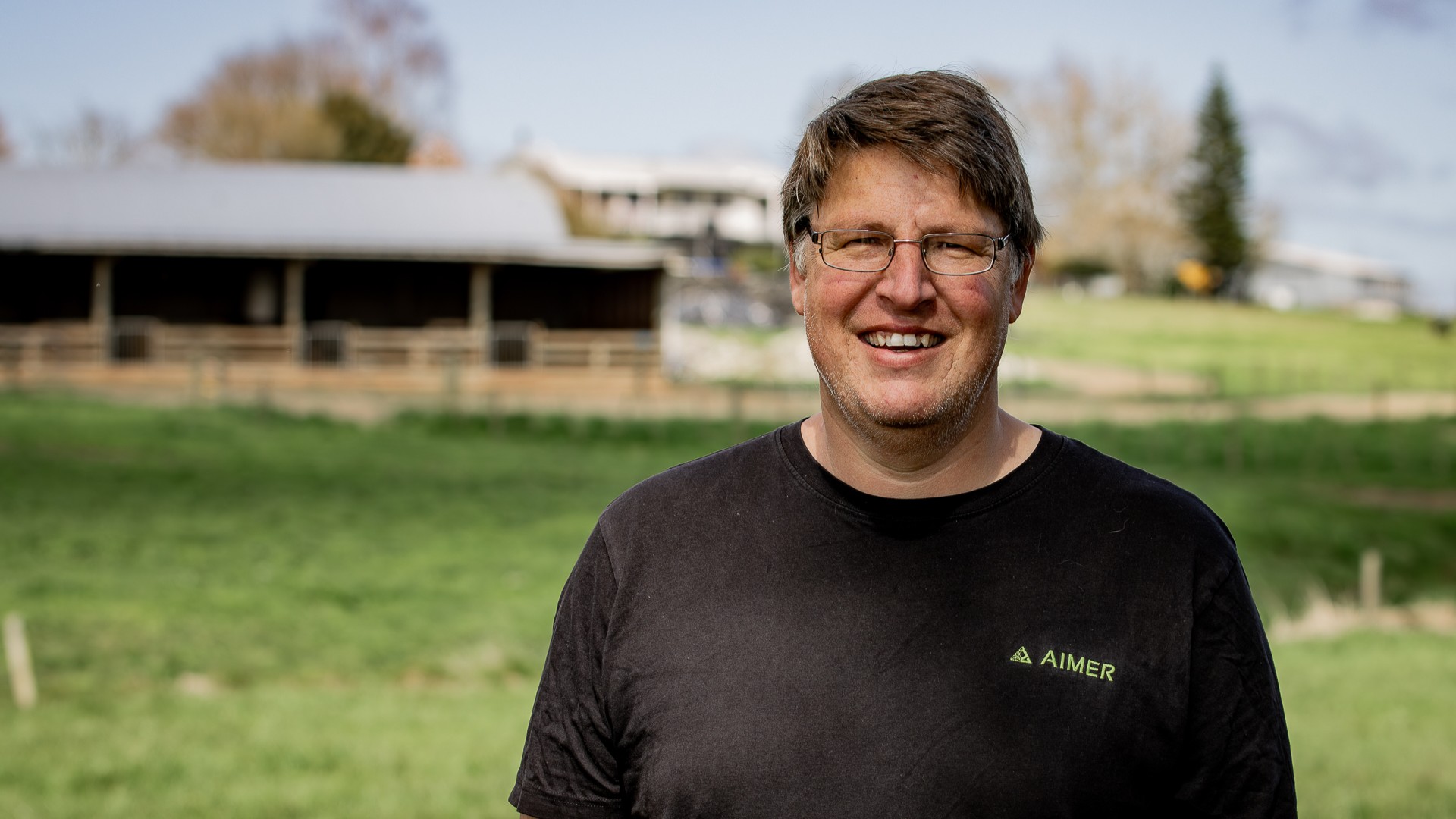
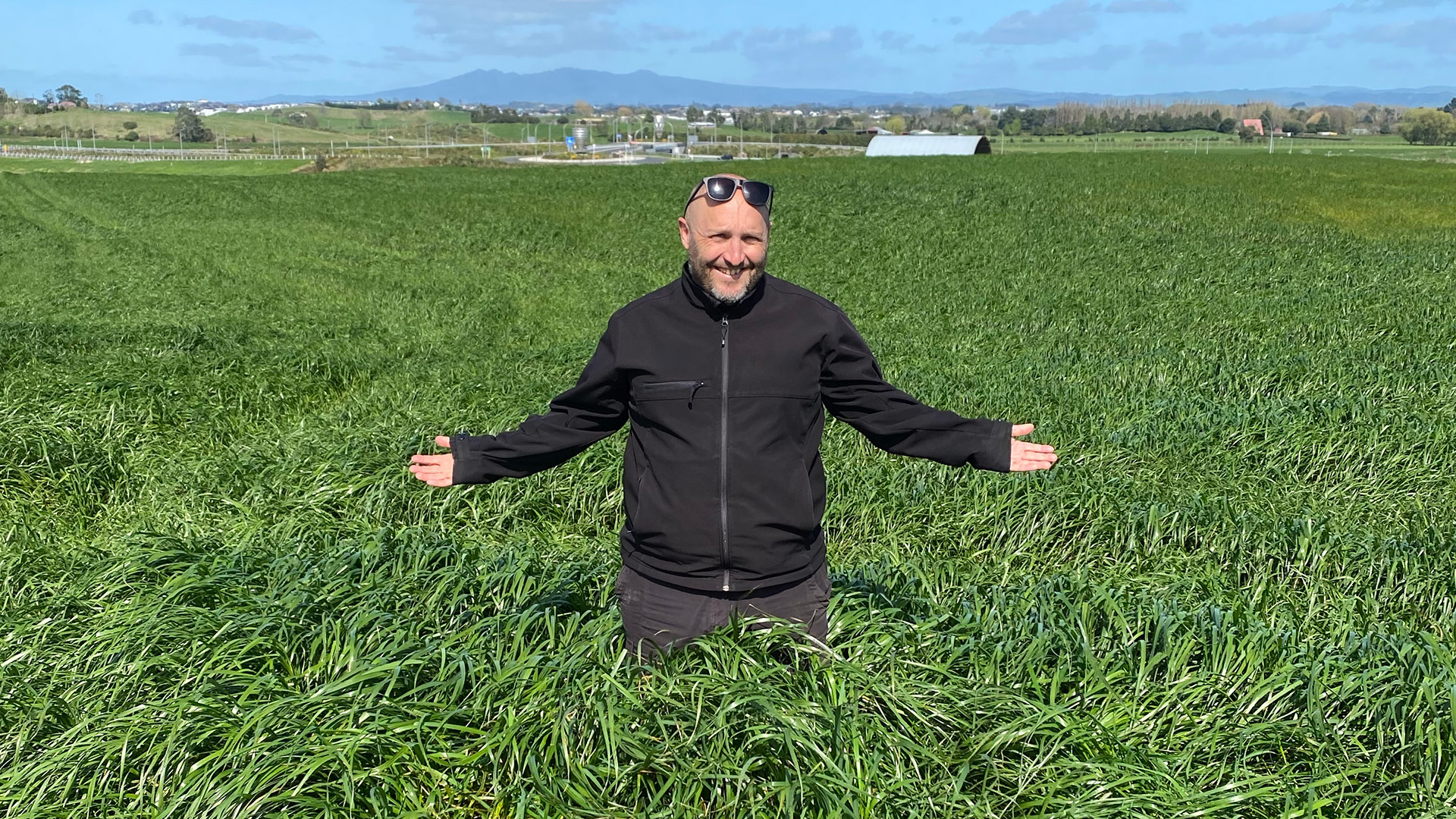
Aimer Farming Business Development Manager Brett Wallace has seen how quickly a farm’s feed position can change. He grew up on dairy farms in the Waikato, spent five years farming full-time and more recently supported around 160 farms through his technical sales role with Farm Source.
“If you’re not all over what’s happening with pasture covers across the farm, you can very quickly go from looking like you’re in a really good position to ‘bang’, it’s gone.”
As more cows enter the milking herd, feed demand rises rapidly. A pasture surplus that looked comfortable at the start of calving can disappear faster than expected, particularly when cows are calving in a tight window.
If farmers do not see that change coming, they may need to shorten the grazing round, put pressure on cow condition or source additional supplement at short notice.
Brett says accurate pasture information gives farmers a clearer view of what could happen over the following days and weeks, not just what covers they have today.
“AIMER helps farmers be more proactive about what’s happening over the next couple of weeks, rather than getting three days out and realising they’ve got themselves into a pinch.”
Keeping measurements manageable
Completing a full farm walk may not be realistic during calving, but that doesn’t mean pasture measurement needs to stop altogether.
AIMER allows farmers to complete a partial farm walk rather than measuring every paddock. It then uses the information collected to estimate growth and maintain a current picture of pasture covers across the rest of the farm.
“Rather than doing the whole farm walk, you can measure part of the farm and AIMER uses that information, together with its clever AI capability, to update the remaining paddocks,” Brett says.
“That could mean setting aside 30 to 45 minutes to scan part of the farm while completing other jobs, such as checking the springer mob or bringing the milkers in.”
The aim is to keep enough current information flowing into AIMER to maintain a useful picture of the farm’s pasture position, without adding a full farm walk to an already busy day.
Looking ahead, not just behind
Brett says AIMER’s interactive feed wedge and 14-day forecast can be particularly useful when farmers are balancing rising feed demand with the pasture available.
“The interactive feed wedge is super powerful,” he says. “You can test those scenarios out and see what impact that’s going to have in the next couple of weeks ahead.”
For example, a farmer may know another 50 cows are likely to calve over the next fortnight. They can use AIMER to see what happens as those cows require more feed and whether pasture supply is likely to keep pace.
They can also test the likely effect of changing the grazing round, adjusting pasture allocations or introducing supplement.
“Using the interactive feed wedge and 14-day forecast helps farmers stay ahead of the decisions they may need to make over the next couple of weeks, giving them greater confidence and peace of mind that they have a plan in place.”
Average pasture cover also provides a useful snapshot of the total feed available across the farm. A few paddocks may look strong, while recently grazed areas have already been drawn down more heavily than expected.
“You may think your feed situation’s looking all right, but not necessarily when you look at the average pasture cover across the farm,” Brett says. “Having that farm-wide view makes it easier to spot a developing feed pinch and make decisions early.”
Every season is different
Brett says one of the risks during calving is assuming that what worked last season will work again.
“Weather, pasture growth, calving pattern and supplement use may all be different, even when the overall farming system has not changed.
“Up-to-date pasture information can help farmers spot those differences earlier and decide whether to adjust the grazing round, change pasture allocations or introduce supplement before feed becomes tight.
“The real benefit is having enough warning to make a considered decision, rather than being forced into a last-minute response.”
When there is already plenty happening on farm, AIMER can help keep pasture measurement simple and regular, giving farmers greater clarity about what's ahead.