Autumn is when small decisions start to have a big impact. Growth rates are slowing, rotation length becomes critical, and the focus shifts to setting your farm up for winter and next season.
In many ways, autumn is where next season is won or lost. What you do now directly influences your winter covers and how well you set up for spring.
This year, conditions are mixed across the country, ranging from very dry through to extremely wet, which makes having clear, reliable information even more important. That’s where pasture data comes into its own.
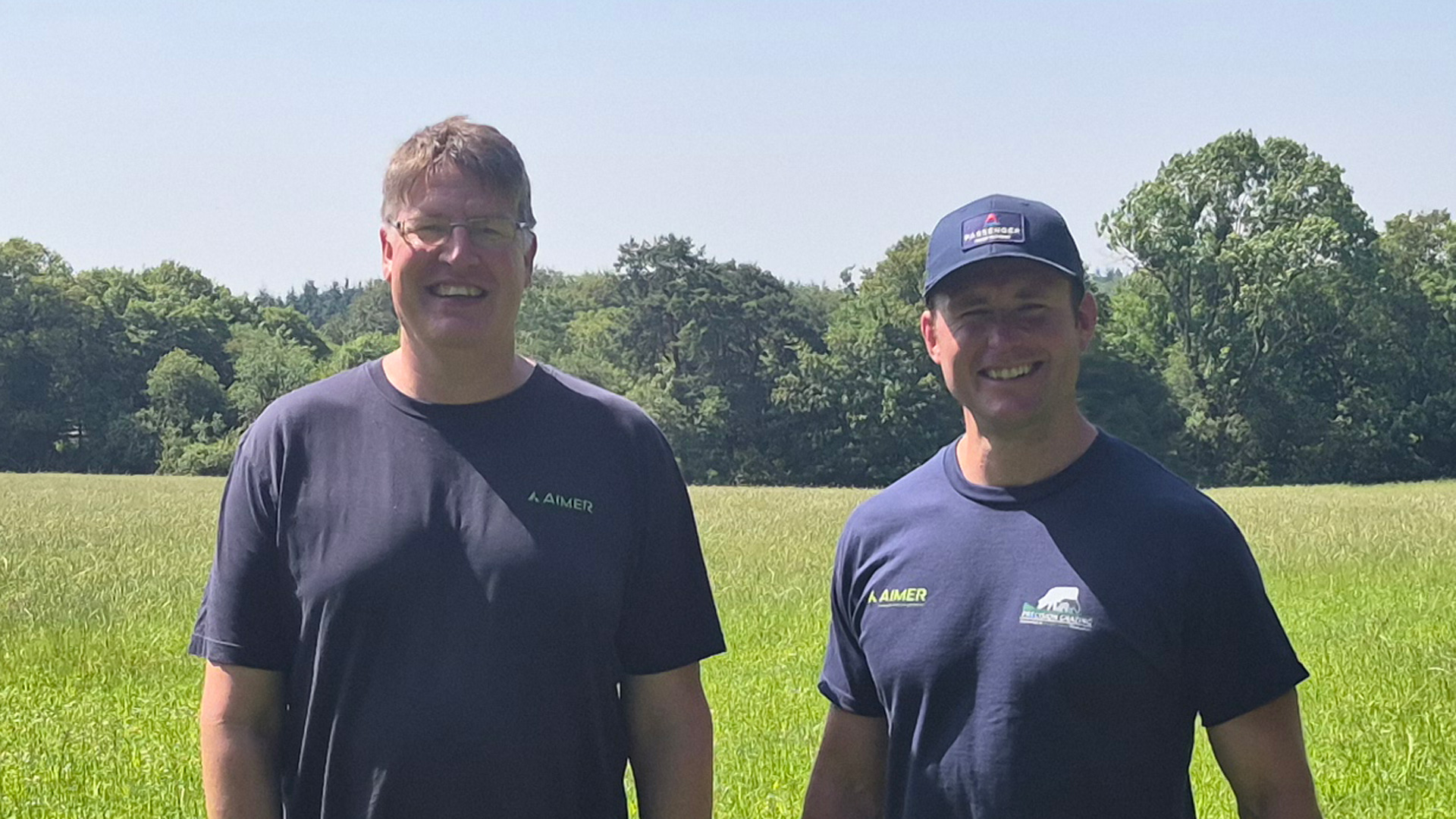
Aimer Farming Technical Specialist Taylor Hill says autumn is one of the most important times of year to be across your numbers.
“Autumn is where you set yourself up for winter and next season. If you get your rotation, feed allocation and cow condition right now, it makes everything easier later on.”
Here are three practical ways pasture insights can guide your decisions this April.
- Set rotation length & daily allocation with confidence
As pasture growth slows, extending your round length is key to building average pasture cover heading into winter. Pasture data helps you:
· Identify how much feed is actually available across the farm
· Work out how much area to allocate each day
· Understand pasture per cow per day at your chosen rotation length
Taylor says this is where good data makes a real difference.
“If you know how much pasture you’ve got and what that looks like per cow per day, you can make much more deliberate decisions about how fast you rotate. Without that, you’re relying on gut feel.”
In dry conditions, this helps stretch limited feed further. In wetter regions, it supports better utilisation, helps protect pasture quality, and avoids damaging paddocks as conditions change.
- Make the dry-off call at the right time
We all know drying off is one of the most important decisions of the season. It’s one that can impact both current performance and next season’s results. By tracking pasture cover and growth rates, you can:
· See when feed supply is no longer supporting production
· Avoid pushing cows too long and compromising body condition
· Make more confident, timely dry-off decisions
“You can see it coming when growth rates and covers start to drop away,” says Taylor. “Having that visibility means you’re not reacting too late. You can make the call at the right time for both your cows and your farm system and protect next season’s production.”
Use supplement with purpose
Supplement often plays a key role through autumn, but using it effectively depends on understanding what’s happening in the paddock. Pasture data allows you to:
· Identify actual feed deficits
· Calculate how much supplement is required
· Target either milk production or body condition gain in dry cows
“Just feeding more is not the answer,” says Taylor. “You need to know what gap you’re trying to fill. When you’ve got good pasture data, you can be more precise with how you use supplement and make sure you get the best response from your herd.”
From pasture data to better decisions
Autumn can present a wide range of conditions. Having clear pasture insights and turning them into real pasture intelligence helps cut through that variability and supports more confident, consistent decision-making.
“Accurate pasture information takes a lot of the guesswork out,” says Taylor. “It gives you confidence that the decisions you’re making now are setting you up well for winter and the season ahead.
“It also allows you to plan ahead with greater certainty, adjusting rotation, feed allocation and supplementation as conditions change, rather than reacting after the fact.”
Tools like AIMER Vision make it quick and easy to gather that information and build a reliable picture of feed availability across your farm - without the farm walk.
That means less guesswork, more control and better outcomes heading into winter.